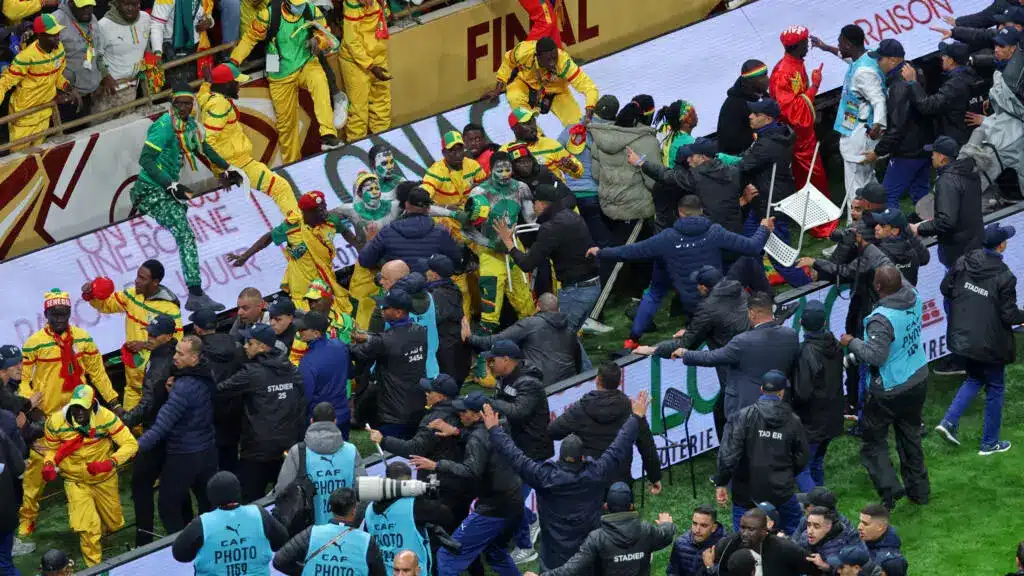
Royal Pardon for Senegalese Supporters Aims to Ease Tensions
In a significant diplomatic move, King Mohammed VI of Morocco has granted a royal pardon to fifteen Senegalese football supporters who were incarcerated following the violent incidents during the 2025 Africa Cup of Nations (CAN) final. This act of clemency, announced in May 2026, is seen as a strategic effort to de-escalate nationalist tensions that had threatened the enduring alliance between Rabat and Dakar, particularly as the Eid al-Adha (Tabaski) holiday approaches.
Background: From CAN Final Chaos to Legal Ramifications
The events leading to these detentions date back to mid-January 2026, during the CAN final held at Rabat's Moulay-Abdellah Stadium. Senegal's 1-0 victory was overshadowed by controversy. A late penalty awarded to Morocco, coupled with an earlier disallowed goal for Senegal, ignited widespread unrest. Senegalese supporters reportedly attempted to invade the pitch and threw projectiles, while their team and coach, Pape Thiaw, staged a walk-off in protest.
Moroccan authorities responded with firm judicial action. Utilizing surveillance footage and citing injuries to law enforcement personnel, along with over 370,000 euros in material damages, the prosecution secured convictions for hooliganism in February. Sentences ranged from three months to one year in prison. Although the defense consistently denied the charges, eighteen supporters were initially imprisoned. Three had already completed their sentences, leaving fifteen awaiting their fate until the recent royal pardon.
Rabat-Dakar Alliance Revitalized: A Gesture of Reconciliation
The royal cabinet's communiqué cited "humanitarian considerations" and the "centuries-old fraternal relations" between Morocco and Senegal as the basis for the amnesty. Me Patrick Kabou, the lawyer representing the supporters, confirmed their immediate release, expressing that the gesture brought "joy to the hearts" of families ahead of the religious festivities. The pardon has reportedly eased tensions on social media platforms, where xenophobic and racist comments had been prevalent between the two communities for months. In Casablanca, the decision has been praised as a wise political move aimed at fostering reconciliation and safeguarding future relations.
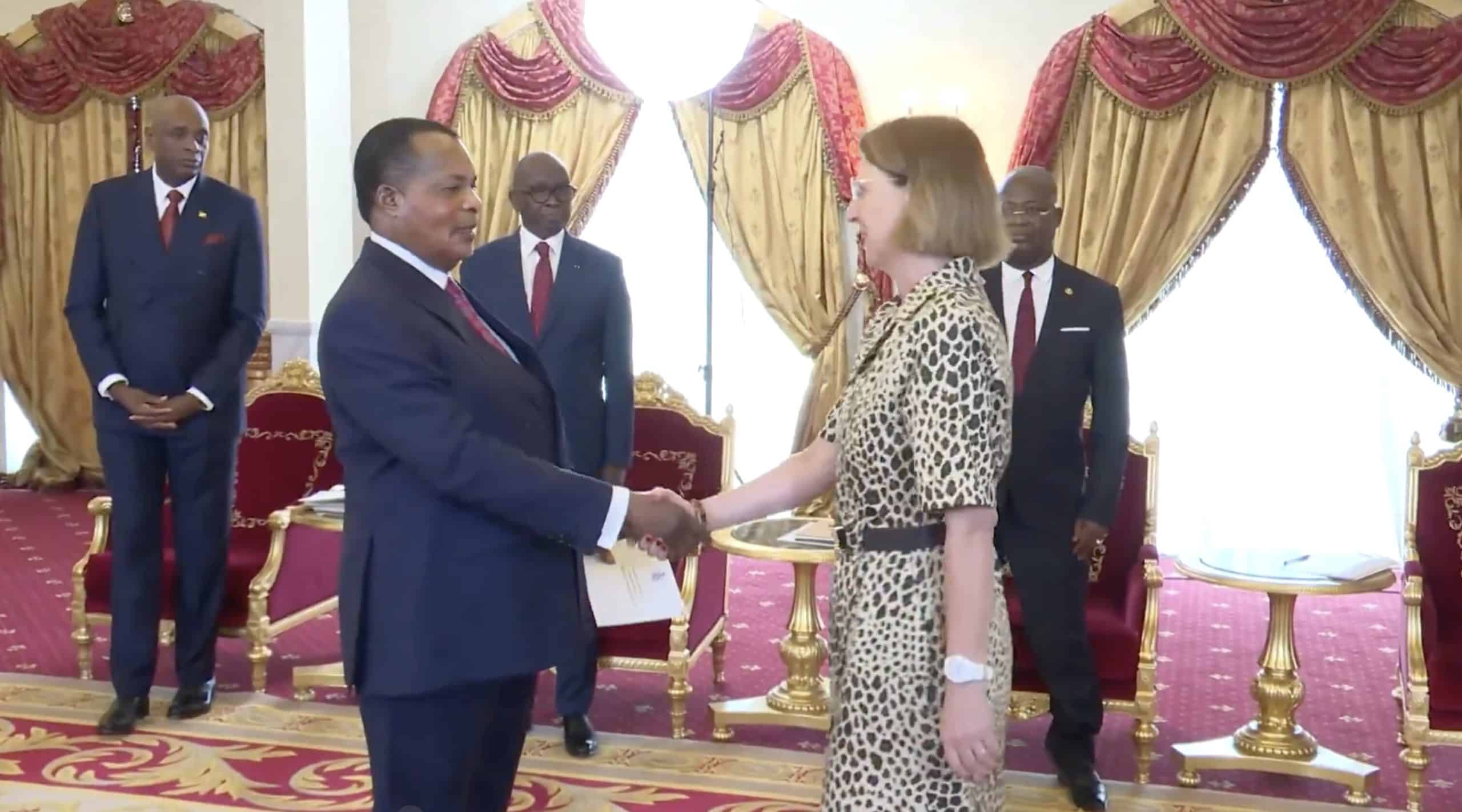
Senegalese President Bassirou Diomaye Faye promptly acknowledged the pardon on social media platform X, extending "sincere thanks" to the Moroccan monarch for his compassionate decision and confirming the imminent return of the Senegalese nationals to their families.
This royal intervention underscores the evolving role of football in national security and high-level diplomacy across Africa. The Rabat-Dakar axis is a critical component of Morocco's influence strategy in sub-Saharan Africa and serves as a model for economic cooperation.
Allowing Senegalese supporters to remain imprisoned for sports-related hooliganism could have undermined Morocco's soft power and fueled lasting popular resentment in Senegal. By directly intervening, the King has effectively signaled an end to nationalist fervor, reminding both nations that geopolitical interests often transcend the fleeting passions of sports stadiums.
Ongoing Institutional Dispute
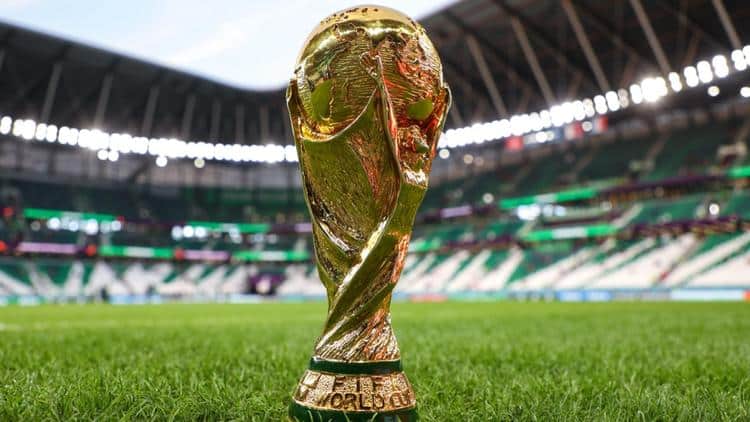
While the humanitarian aspect of the crisis has been addressed, the institutional dispute surrounding the CAN 2025 trophy continues. On March 17, the Confederation of African Football (CAF) awarded the Cup to Morocco by default, penalizing Senegal for their team's prolonged abandonment of the field during the final. Senegal has since appealed this decision to the Court of Arbitration for Sport (CAS). The CAS has yet to set a date for its verdict, indicating that relations between the two football federations, already facing substantial fines for unsportsmanlike conduct, will remain strained.
King Mohammed VI's royal clemency has averted a potential diplomatic breaking point between two historically allied nations, transforming a hooliganism crisis into an opportunity for humanitarian reconciliation. By releasing the Senegalese supporters before the Tabaski celebrations, Morocco has demonstrated strong political leadership in Africa. The lingering question remains whether the forthcoming CAS verdict on the trophy will reignite discord or if state diplomacy can permanently shield bilateral relations from the pitfalls of commercial football.
Source: CAN 2025 : Le geste choc de Mohammed VI pour sauver l’axe Rabat-Dakar